
Why adult SEL is the missing link
When young people struggle with stress, conflict, or belonging, the adults around them often feel the pressure first. The good news: you don’t need a brand-new initiative to create change—you need a shared set of social and emotional skills, a common language, and a support system that holds up in real life.
At SEL+, we help youth-serving organizations strengthen their culture through adult SEL training, mobilize community partners for wrap-around support, and provide practical tools for the whole caregiving village—parents, school staff, and mentors. Here’s a simple playbook you can start using this week.
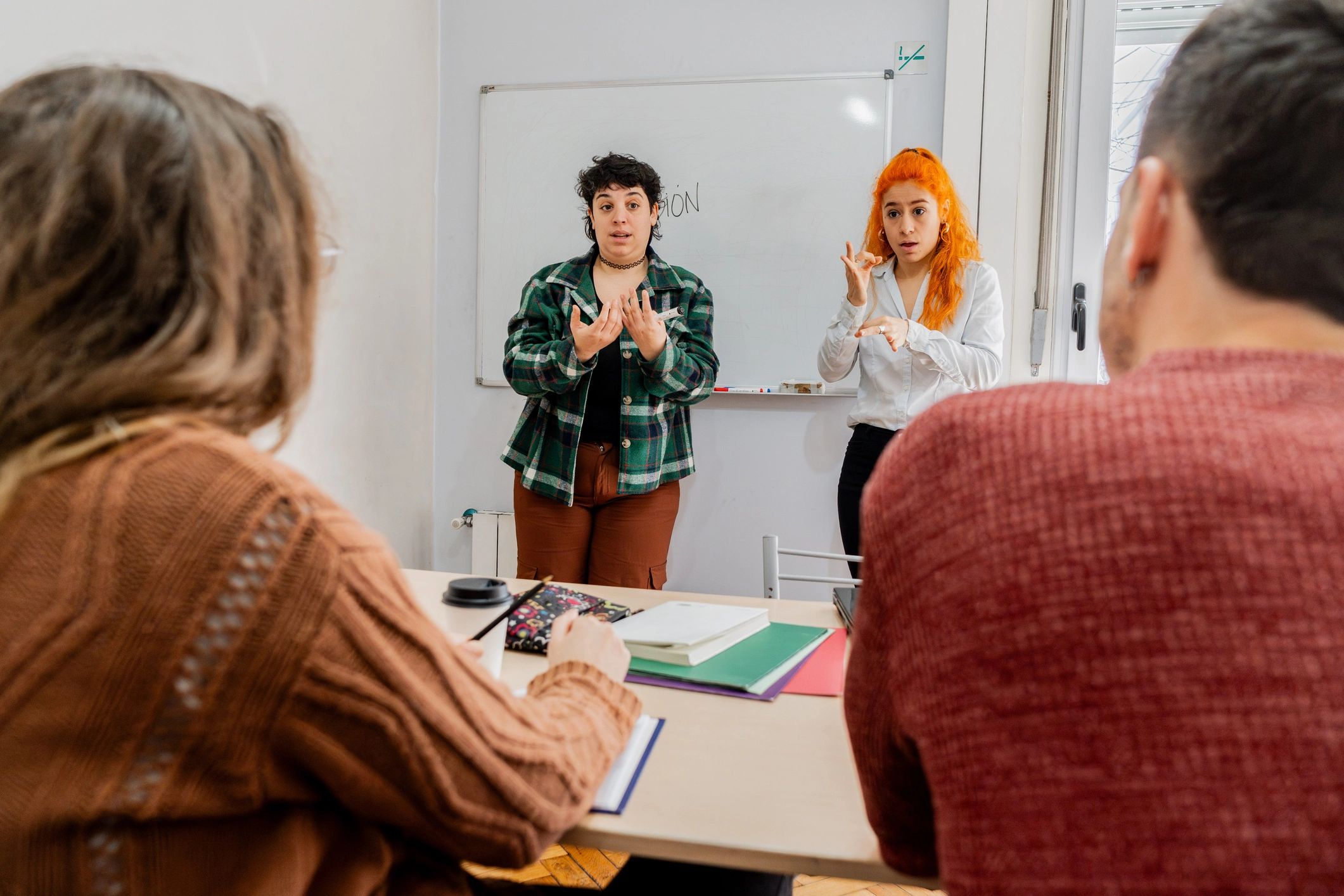
The SEL+ “village” model (in 3 parts)
- Adult SEL training: Build the skills and habits adults need to co-regulate, communicate clearly, and respond consistently.
- Wrap-around partners: Identify and activate community supports so youth and families can access help without dead ends.
- Everyday tools: Make SEL easy to practice with resources for parents, educators, and mentors—plus technology that supports reflection and growth.
Step 1: Start with adult SEL—because culture is contagious
Adults set the emotional tone. When staff share a few core practices, youth experience fewer mixed messages and more psychological safety. If you’re not sure where to begin, choose one skill per month and practice it together.
Try this in your next team meeting (10 minutes)
- Check-in: “One word for how you’re arriving today.”
- Name the need: “What would help you be at your best this week?”
- Micro-commitment: “One thing I’ll practice when I’m stressed is…”
Small, consistent routines build trust—and trust is the foundation for any youth-facing strategy.
Step 2: Map your wrap-around support (and close the gaps)
Most organizations already have partners—they’re just not organized into a clear pathway. A wrap-around map makes it easier for staff to connect youth and families to the right help quickly.
Create a “warm handoff” map
- List your top 5 needs: mental health, food security, housing, tutoring, family support (adjust to your community).
- Assign a primary + backup partner for each need.
- Define the handoff: who calls, what info is shared, and how follow-up happens.
- Track outcomes: “Connected,” “In progress,” “Resolved,” “Needs escalation.”
This turns “we have resources” into “we have a reliable system.”
Step 3: Give the village tools they’ll actually use
SEL sticks when it’s practical, repeatable, and relevant to daily moments—transitions, conflict, big feelings, and repair. Consider offering the same simple tools across settings so youth experience continuity.
Three high-impact tools to share with parents, educators, and mentors
- Co-regulation script: “I’m here. Let’s breathe together. We can solve this when we’re calmer.”
- Repair routine: “What happened? What were you feeling? What do you need now? What can we do differently next time?”
- Strength-spotting: Name one effort-based strength you saw today (persistence, kindness, courage, self-control).
Where SELvie fits: SEL meets AI
We’re building SELvie, an AI-powered app designed to make SEL more accessible through guided reflection, skill practice, and supportive prompts. For organizations, it can reinforce shared language and help adults and youth practice between sessions—so training doesn’t stay in the training room.
Meet SELvie to see how we’re bringing SEL and AI together.
Ready to strengthen your support system?
If you’re looking to build adult capacity, align your partners, and create a consistent SEL experience for the young people you serve, we’d love to help.
Contact SEL+ to talk about training, wrap-around partner mobilization, and resources for your community.